
As hydrogen becomes a key pillar of the global energy transition, one component plays a crucial but often underappreciated role: the valve. In hydrogen transport and storage systems, valves are essential safety devices that must operate reliably under extreme pressures and demanding physical conditions. German manufacturer HEROSE is at the forefront of developing high-pressure valves specifically designed for hydrogen service.
Hydrogen infrastructure spans production plants, refuelling stations, storage systems, and transport trailers. Across all these applications, valves regulate flow, isolate system sections, and ensure safe operation during filling, storage, and discharge. Any failure can have serious safety implications, making reliability the top priority.
Development begins with a detailed application analysis. Engineers determine whether the valve will be used in stationary or mobile systems, as the requirements differ significantly. Stationary systems prioritise long-term sealing integrity and low maintenance, while mobile applications must withstand vibration, frequent loading cycles, and changing environmental conditions. In addition, engineers consider maintenance intervals, service accessibility, and expected lifecycle costs, since hydrogen infrastructure is expected to scale rapidly and operate over decades.
Operating conditions are equally demanding. Hydrogen systems often involve very high pressures and wide temperature ranges, from extreme cold to moderate heat. These factors strongly influence material selection and design decisions from the outset. Even small design choices, such as seat geometry or surface finishing, can have a significant impact on long-term sealing performance.
Hydrogen itself presents unique challenges. Its extremely small molecular size allows it to permeate materials more easily than other gases, increasing the risk of leakage. At the same time, its high flammability makes even minor leaks a serious hazard. Material compatibility is another critical issue, as hydrogen can cause embrittlement in certain metals and degrade polymer seals over time. This requires extensive testing of all components rather than relying on conventional materials.
Another often underestimated factor is cyclic loading. Hydrogen systems frequently undergo repeated pressurisation and depressurisation, which can accelerate fatigue in both metallic and sealing components. Over time, this can affect not only performance but also safety margins, making fatigue resistance a key design parameter.
Design engineers must therefore balance sealing performance, durability, and ease of operation while often rethinking traditional valve architectures. Many solutions require significant redesign or entirely new concepts tailored specifically to hydrogen service. In some cases, even small improvements in sealing technology can significantly extend maintenance intervals and reduce system downtime.
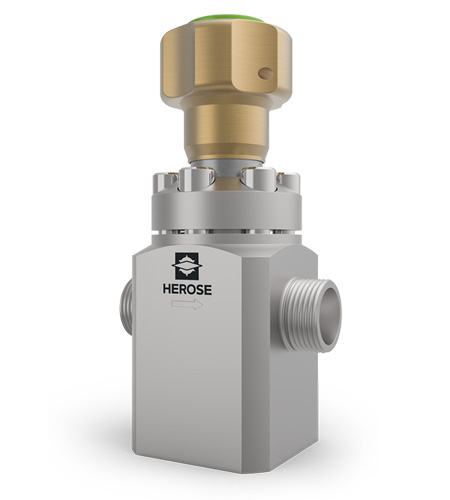
Material testing plays a central role in development. One key procedure is rapid gas decompression testing, where materials are exposed to high-pressure hydrogen and then suddenly depressurised. This simulates real-world conditions that can cause internal damage such as cracking or blistering. Additional tests evaluate permeation rates and long-term compatibility under continuous exposure.
Prototype valves are first tested with inert gases like nitrogen or helium before being exposed to hydrogen under controlled conditions. These tests include repeated pressure cycling to replicate long-term use and ensure consistent performance over time. Engineers also simulate extreme scenarios such as emergency shut-offs and rapid pressure spikes to validate safety behaviour under fault conditions.
Before approval, valves must meet strict standards such as PED, TPED, and relevant ISO regulations. Manufacturers often exceed these requirements with additional testing to ensure maximum safety and reliability. Documentation and traceability also play a major role, as every component must be fully verifiable throughout its lifecycle.
Ultimately, hydrogen valve development demonstrates that enabling a hydrogen economy requires more than adapting existing technology. It demands new engineering approaches that account for hydrogen’s unique properties and extreme operating conditions, ensuring safety and reliability at every stage of the system. As the industry scales, these components will become even more critical, forming the backbone of a secure and efficient hydrogen infrastructure worldwide.
For more information please visit HEROSE.