Stegra and Meta sign agreement to advance green steel
Stegra has signed a multi-year agreement with Meta for environmental attribute certificates (EACs) linked to Stegra's green steel plant in northern Sweden, currently under construction.

Stay up to date with the latest news and updates from the hydrogen industry.
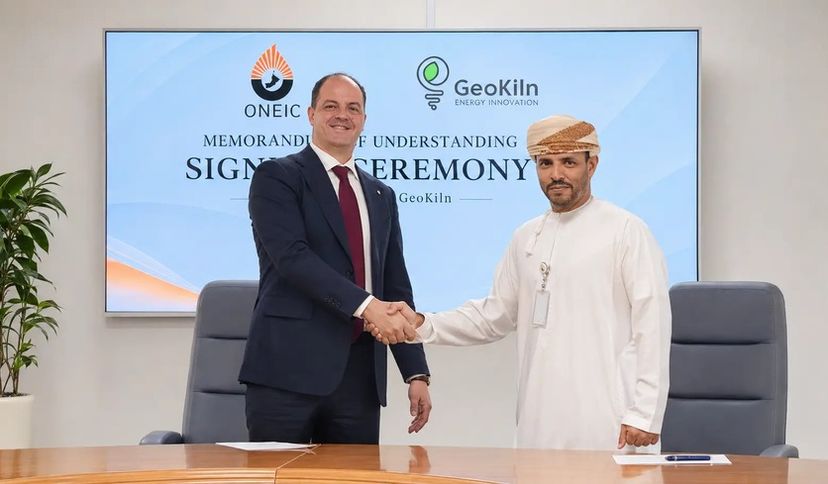
GeoKiln Energy Innovation has signed a memorandum of understanding (MOU) with Oman National Engineering & Investment Co. to evaluate the potential for engineered geologic hydrogen production in the Sultanate of Oman using GeoKiln’s proprietary Manufactured Subsurface Hydrogen (MSSH™) technology.
The project combines the complementary ambition of the MB Energy Group and IVECO to support the development of multi-energy infrastructure for commercial road transport in Ulm, Germany.
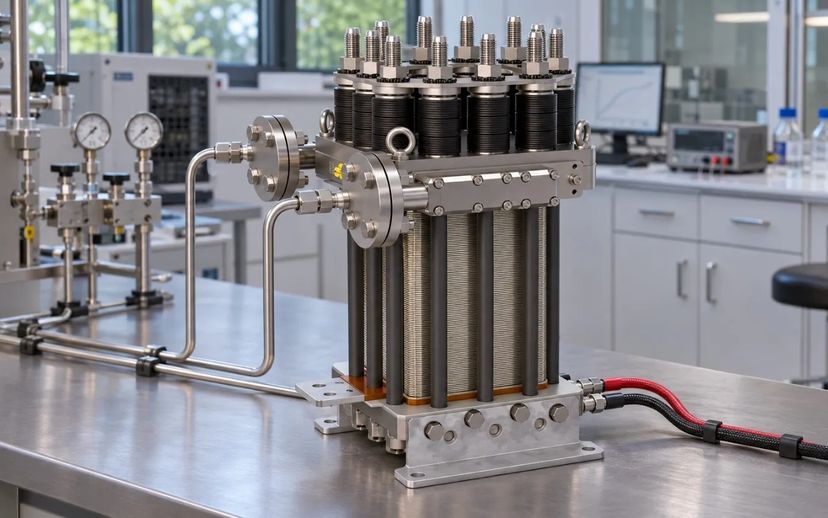
Smoltek Hydrogen AB and Hyworx GmbH have signed a new letter of intent (LoI) to integrate Smoltek’s porous transport electrode (PTE) into Hyworx's next-generation PEM electrolyser stacks.
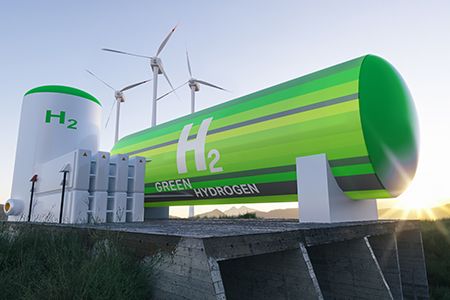
PowerCell will supply Marine System 225 fuel cell systems and engineering services to H2SITE for its Enova-supported HydraNord Power project in Norway.
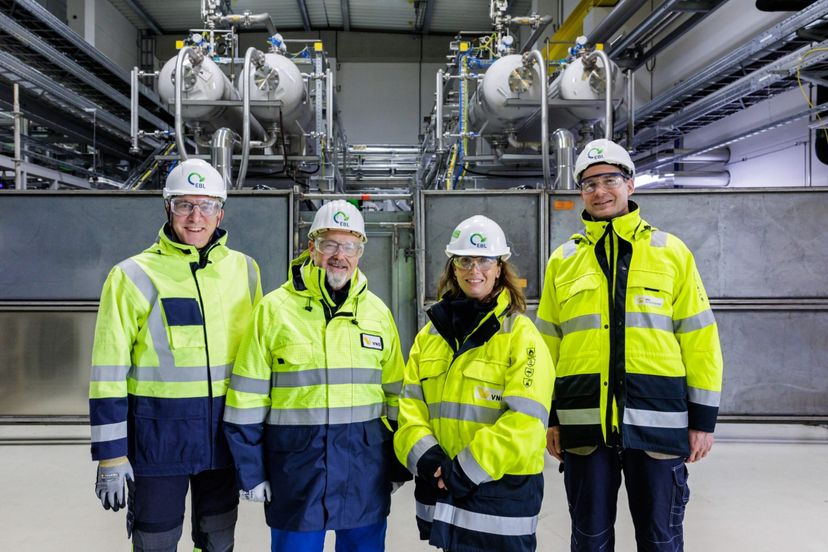
At the Energiepark Bad Lauchstädt, green hydrogen has been produced in the 30 MW electrolysis plant for the first time.
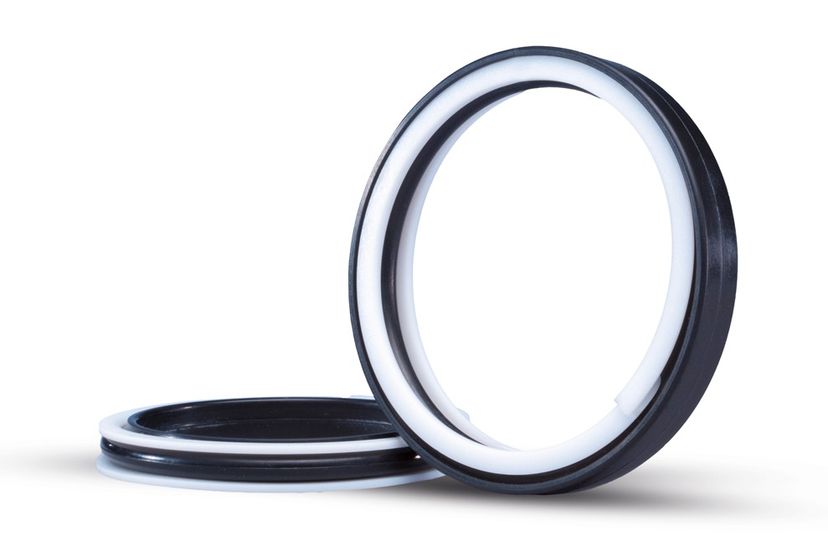
Greene Tweed has announced the launch of EPM 893, a PFAS-free ethylene propylene compound engineered to improve sealing reliability in critical hydrogen and carbon capture, utilisation, and storage (CCUS) service.
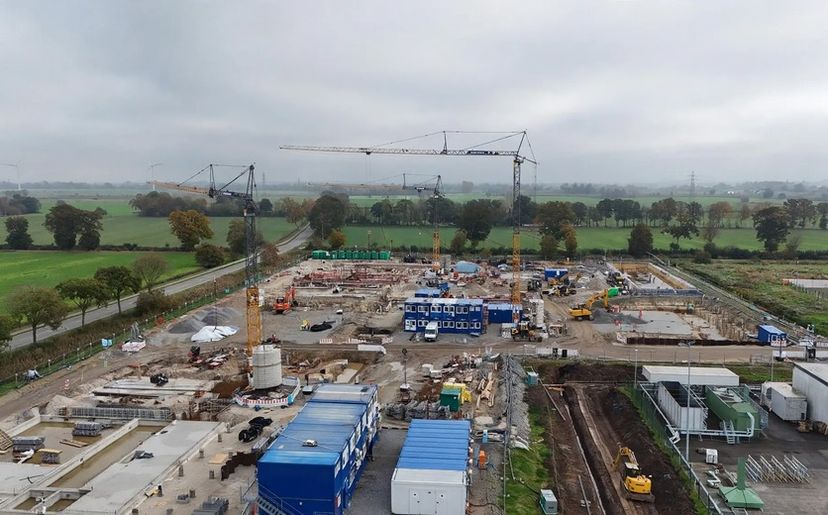
EWE is converting an existing natural gas cavern in Huntorf, Germany for hydrogen storage. The tightness of the well has now been confirmed suitable for nitrogen and hydrogen storage, expected to strengthen hydrogen supply from 2028.
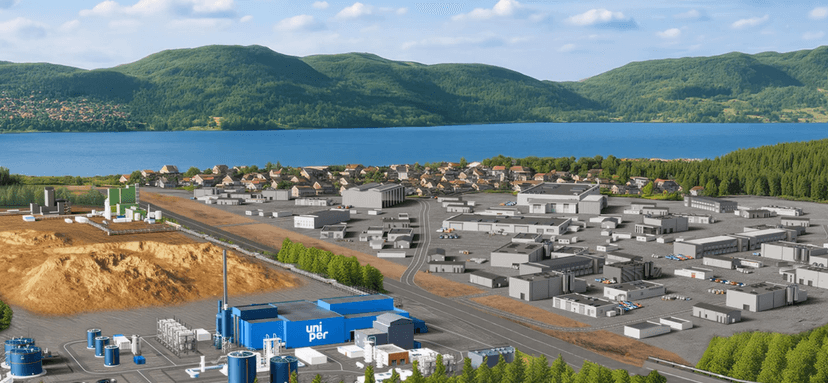
On 6 November 2026 Uniper submitted its environmental permit application for the planned NorthStarH2 project to the Land and Environment Court in Östersund, seeking approval to produce renewable fuel at a plant designed to produce around 115 000 tpy of e-methanol.
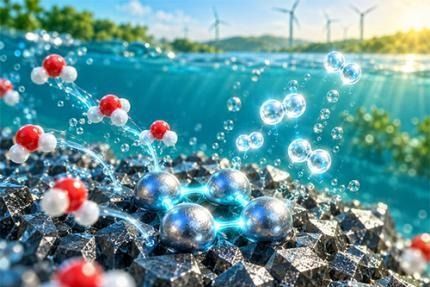
A Korean research team has developed a catalyst that brings three or four ruthenium (Ru) atoms together so they can work cooperatively, achieving a hydrogen production performance comparable to that of a commercial platinum catalyst while using only one-quarter as much precious metal.